The Impact of Packaging Design on Success in Contract Manufacturing Cosmetics
The Role of Packaging Design in Cosmetic Success
Understanding Packaging Design
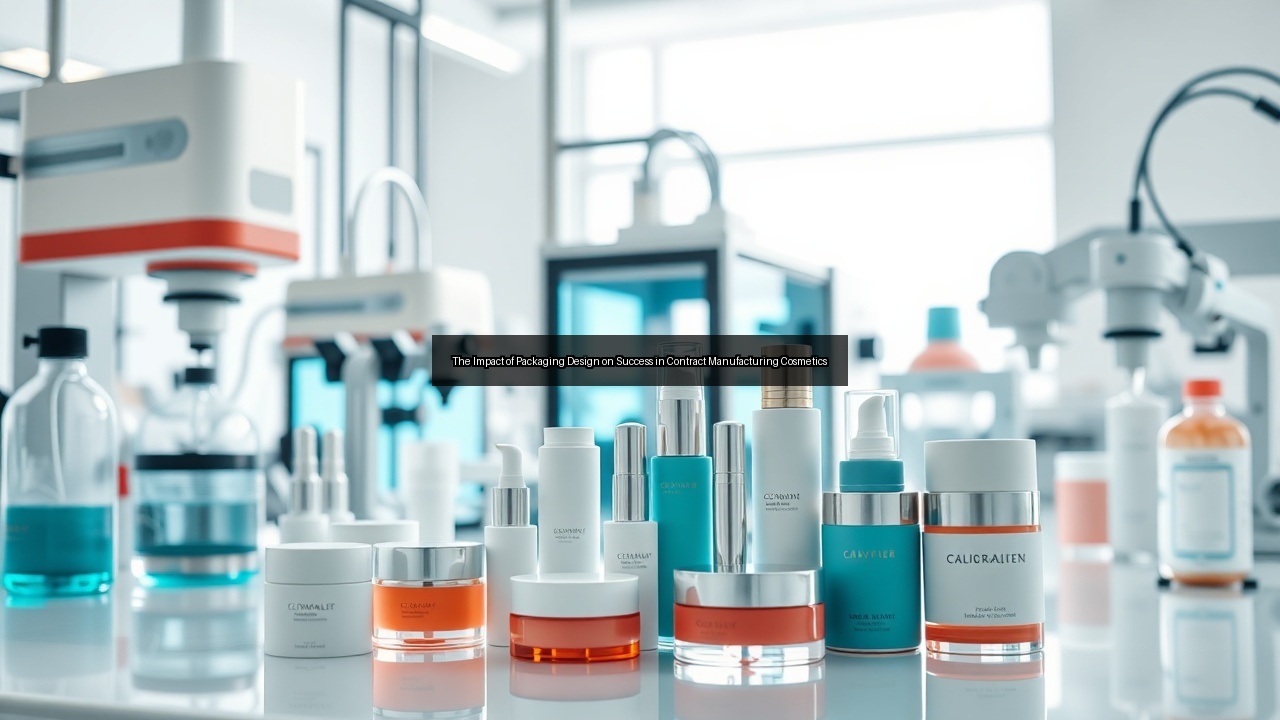
Packaging design forms the foundation for any successful cosmetic product line produced through contract manufacturing cosmetics. Manufacturers create containers, labels, and closures that protect formulas while delivering visual appeal. Contract manufacturers integrate material selection with production runs to match brand needs. They test durability during shipping and storage to prevent leaks or contamination. Effective designs balance function with market demands for items like skincare products and makeup. Teams evaluate size, shape, and dispensing mechanisms early in development. This approach ensures scalability across different quantity levels without compromising quality. Contract manufacturing services rely on precise engineering to meet these standards consistently.
The Influence of Aesthetics on Consumer Choices
Aesthetics drive purchasing decisions for cosmetics and skincare products in competitive retail spaces. Consumers scan shelves and select items based on color schemes, typography, and overall visual impact. Contract manufacturers translate these preferences into physical packaging that stands out. They use premium finishes and unique shapes for makeup lines to capture attention. Research shows attractive designs increase trial rates for new cosmetic products. Brands that partner with experienced contract manufacturing partners achieve higher conversion through refined visuals. This influence extends to social media sharing where packaging photos generate buzz. Manufacturers adjust designs based on demographic data to align with target audiences effectively.
Packaging as a Brand Identity Tool
Packaging serves as a direct extension of brand identity in contract manufacturing cosmetics. Consistent elements like logos, color palettes, and textures reinforce recognition across skincare and cosmetic ranges. Contract manufacturers collaborate on custom molds and printing techniques to maintain this cohesion. They produce limited editions that highlight seasonal themes without disrupting core lines. Strong identity packaging builds loyalty and differentiates products from competitors. Manufacturers track performance metrics to refine future iterations. This tool proves essential for emerging brands entering the market through cosmetic contract manufacturing. It communicates values such as luxury or natural ingredients at the point of sale.
Regulatory Considerations in Cosmetic Packaging
Navigating FDA Regulations
FDA regulations govern packaging for all cosmetic products manufactured under contract. Manufacturers must ensure materials do not leach harmful substances into formulas. They submit documentation that verifies compliance before production scales. Contract manufacturing cosmetics requires ongoing audits to address updates in federal guidelines. Teams review packaging components for safety data sheets and migration tests. Noncompliance leads to recalls that damage brand reputation. Partners experienced in these rules streamline approval processes for new makeup and skincare items. They adapt designs quickly when regulations evolve around specific ingredients or claims.
Packaging Compliance and Traceability
Traceability systems track every batch of packaging used in contract manufacturing cosmetics. Manufacturers embed batch codes and QR elements that link to production records. This practice supports rapid identification during audits or quality issues. Contract manufacturers maintain digital logs that cover raw material sources through final assembly. Compliance reduces liability for brands selling cosmetics and cosmeceuticals. They implement tamper-evident features required for certain distribution channels. Traceability extends to supplier verification for labels and closures. Such measures protect against counterfeiting while meeting industry standards for accountability.
Conformity in Ingredient Labeling
Ingredient labeling demands exact conformity on all cosmetic packaging produced via contract manufacturing. Manufacturers print accurate lists that match formulation records without abbreviation errors. They design label space to accommodate required font sizes and languages for international markets. Contract manufacturing partners verify translations and allergen declarations before runs begin. Nonconformity triggers enforcement actions from regulatory bodies. Teams update labels promptly when formulas change for skincare products. This precision builds consumer trust and avoids legal setbacks for brands. Manufacturers integrate labeling software that cross-checks against approved ingredient databases.
Logistical Challenges in Contract Manufacturing Cosmetics
Impact of Packaging on Distribution and Logistics
Packaging directly affects distribution efficiency in contract manufacturing cosmetics. Bulky designs increase shipping costs and warehouse space requirements for cosmetics. Manufacturers optimize shapes for pallet stacking and container loading. They select lightweight materials that maintain protection during transit for makeup and skincare items. Logistics teams calculate volume impacts on freight rates across global routes. Contract manufacturers simulate distribution conditions to identify weak points early. Efficient packaging reduces damage claims and supports just-in-time delivery models. Brands gain competitive edges when packaging aligns with supply chain realities.
Automation in Packaging Processes
Automation enhances speed and consistency in packaging lines for contract manufacturing cosmetics. Robotic systems fill, seal, and label containers at high volumes without manual errors. Manufacturers program equipment to handle varied sizes for different cosmetic products. Automation cuts labor expenses while meeting tight deadlines for seasonal launches. Contract manufacturing partners invest in flexible machinery that switches between makeup and skincare formats quickly. Sensors detect defects during operation to maintain output quality. This technology scales production without proportional increases in overhead. Brands benefit from faster time-to-market through these streamlined processes.
Cost Implications of Packaging Design
Packaging design carries significant cost implications throughout contract manufacturing cosmetics projects. Premium materials raise per-unit expenses but elevate perceived value for cosmetics. Manufacturers balance these factors by offering tiered options based on quantity commitments. Cost modeling accounts for tooling, printing, and assembly steps in advance. Contract manufacturers identify savings through material swaps that preserve functionality. They negotiate bulk pricing with suppliers to control overall budgets. Overly complex designs inflate expenses and delay timelines. Strategic choices keep projects viable while supporting premium positioning in the market.
Innovative Trends in Cosmetic Packaging
The Rise of Sustainable Packaging Solutions
Sustainable packaging solutions gain traction in contract manufacturing cosmetics as brands respond to environmental concerns. Manufacturers develop biodegradable options and recycled content for skincare containers. They reduce plastic use through refillable systems that extend product life cycles. Contract manufacturing partners test new materials for compatibility with cosmetic formulas. These innovations appeal to eco-conscious consumers seeking makeup with responsible credentials. Production runs incorporate carbon footprint tracking to meet corporate goals. Manufacturers scale sustainable lines without sacrificing protection or aesthetics. Brands differentiate through these forward-thinking approaches in competitive categories.
Hybrid Packaging Designs
Hybrid packaging designs combine multiple materials for enhanced performance in contract manufacturing cosmetics. Manufacturers blend glass with protective sleeves or plastic with metallic accents for visual interest. These constructions improve barrier properties for sensitive skincare products. Contract manufacturers prototype hybrids to balance durability, weight, and cost. Hybrid approaches allow creative differentiation for makeup collections. They support unique dispensing features that improve user experience. Production teams refine manufacturing techniques to handle mixed substrates reliably. Brands leverage hybrids to refresh product lines and capture niche segments.
Customization in Skincare and Cosmetic Packaging
Customization drives engagement in skincare and cosmetic packaging produced through contract manufacturing. Manufacturers offer variable printing and modular components that adapt to individual preferences. They produce small batches with personalized labels for limited promotions. Contract manufacturing services enable rapid iteration on design elements like colors and finishes. Customization extends to functional features such as dosage controls for cosmeceuticals. Teams use digital tools to preview options before committing to tooling. This flexibility supports targeted marketing campaigns across demographics. Brands build stronger connections through tailored packaging experiences.
Partnering with Contract Manufacturers for Effective Packaging
Choosing the Right Contract Manufacturing Partner
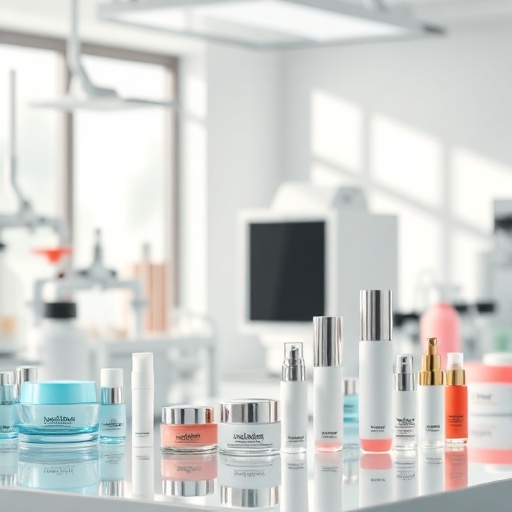
Selecting the right contract manufacturing partner determines packaging success for cosmetics. Brands evaluate expertise in handling diverse materials and regulatory requirements. Manufacturers demonstrate capabilities through case studies involving similar skincare products. They provide transparent timelines and cost breakdowns during initial discussions. Contract manufacturing cosmetics demands partners with proven quality control systems. Brands assess geographic reach for efficient distribution logistics. Strong partners offer design consultation that aligns with brand vision. This choice lays the groundwork for scalable, compliant production runs.
Evaluating Contract Manufacturers’ Capabilities
Evaluating capabilities requires detailed reviews of equipment, certifications, and past projects in contract manufacturing cosmetics. Manufacturers share data on automation levels and throughput rates for packaging lines. They confirm experience with FDA regulations and traceability protocols. Contract manufacturers demonstrate flexibility in accommodating design changes mid-project. Brands request samples that reflect real-world performance for makeup and skincare items. Capability audits cover supplier networks and contingency planning. Thorough evaluation prevents costly mismatches during full-scale production. Partners with robust capabilities deliver consistent results across varying quantities.
The Importance of Research in Packaging Solutions
Research underpins effective packaging solutions within contract manufacturing cosmetics. Manufacturers conduct stability tests and consumer trials before finalizing designs. They analyze market trends to recommend materials that resonate with target buyers. Contract manufacturing partners invest in material science studies for improved barrier properties. Research identifies cost-saving opportunities without quality trade-offs. Brands benefit from data-driven decisions that reduce development risks. Teams explore emerging technologies like smart labels for enhanced traceability. Continuous research keeps packaging competitive in evolving cosmetic categories.