Top Hydrostatic Testing Firms Revolutionizing Pressure Validation
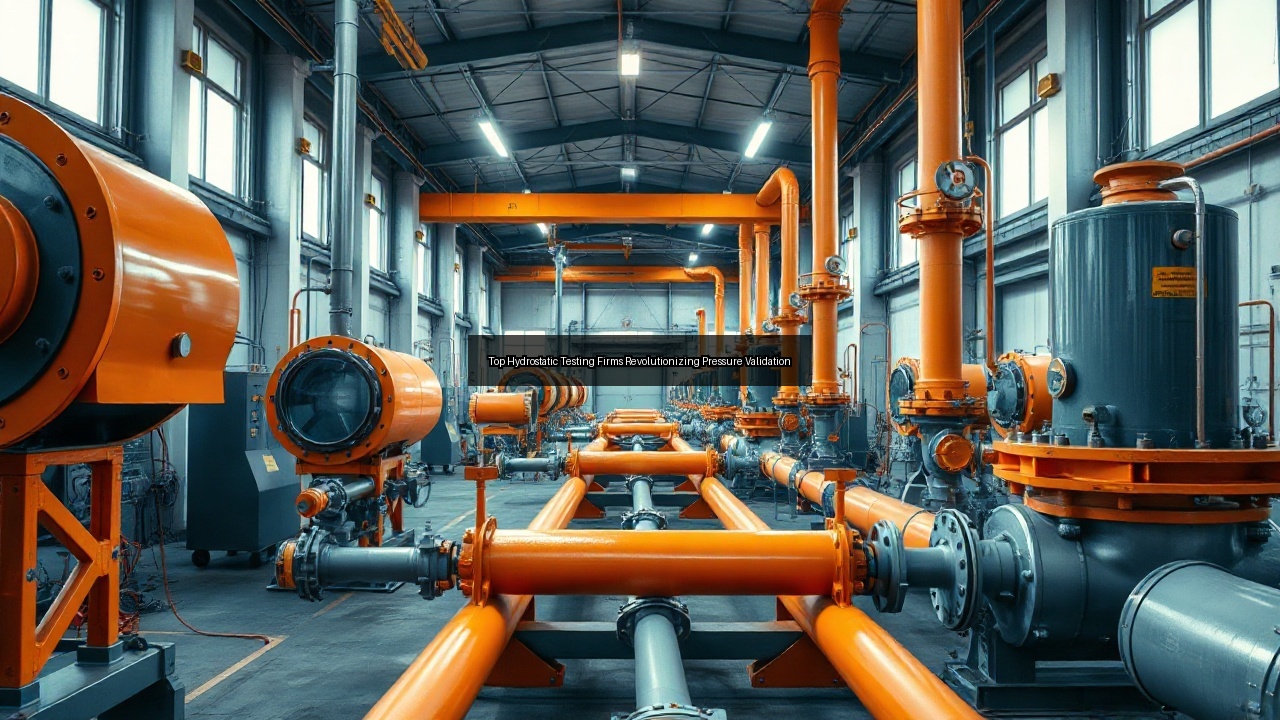
The Importance of Hydrostatic Testing in Various Industries
Role of Hydrostatic Testing in Oil and Gas
Hydrostatic testing plays a crucial role in the oil and gas industry, primarily focusing on the integrity of pipelines and pressure vessels. Companies utilize hydrostatic pressure testing to ensure that these structures can withstand the high-pressure environments they operate in. This process involves filling the pipeline with a liquid, typically water or a chemical fluid, and pressurizing it to detect leaks or weaknesses. By identifying potential failure points before they lead to catastrophic incidents, hydrostatic testing enhances operational safety and reliability. Additionally, the oil and gas industry faces stringent regulatory requirements that necessitate regular hydro testing to comply with safety standards and maintain operational licenses.
Significance in Construction and Infrastructure
In construction and infrastructure, hydrostatic testing ensures the safety and durability of various components, including water pipes, tanks, and pressure vessels. Companies in this sector rely on hydrostatic testing to validate the integrity of materials used in construction projects. This process not only helps in meeting regulatory standards but also fosters trust among stakeholders and clients. For instance, when constructing high-rise buildings or infrastructure that will carry essential fluids, hydrostatic tests verify that the systems can handle expected pressures without leaks or failures. This assurance is vital for the long-term sustainability of construction projects, especially in urban areas where infrastructure is critical for public safety.
Applications in Aerospace and Vehicle Manufacturing
Hydrostatic testing finds essential applications in the aerospace and vehicle manufacturing sectors as well. In aerospace, manufacturers use hydro testing to validate the integrity of fuel tanks, hydraulic systems, and other pressure-sensitive components. This testing ensures that aircraft can operate safely under varying pressure conditions throughout their flight. Similarly, in vehicle manufacturing, hydrostatic pressure testing is crucial for validating the quality of fuel tanks and cooling systems. By ensuring these components can withstand operational pressures, manufacturers enhance vehicle safety and performance. These industries benefit from advanced hydrostatic testing techniques that provide rapid, reliable results, allowing for efficient production cycles and rigorous safety standards.
Leading Hydrostatic Testing Companies and Their Innovations
Top Firms in Hydrostatic Pressure Testing
The market features several leading hydrostatic testing companies renowned for their expertise companies doing hydrostatic pressure tests and innovative solutions. Companies like Team Industrial Services and Intertek stand out due to their comprehensive testing capabilities and commitment to safety. They provide a broad range of hydrostatic pressure testing services tailored to various industries, including oil and gas, construction, and aerospace. These firms leverage advanced technology and skilled personnel to deliver accurate results that meet stringent regulatory requirements. As the demand for reliable testing services increases, these companies continually invest in research and development to enhance their offerings and stay ahead in a competitive landscape.
Innovative Techniques in Pressure Validation
Innovations in hydrostatic testing techniques are transforming the landscape of pressure validation. Advanced methods such as digital pressure monitoring and automated testing systems enhance accuracy and efficiency. Companies are adopting these technologies to reduce manual errors and speed up the testing process. For instance, some firms now utilize automated hydrostatic testing rigs that allow for real-time monitoring of pressure levels, ensuring immediate detection of leaks or failures. Additionally, the integration of data analytics aids in predictive maintenance, allowing companies to anticipate issues before they arise. Such innovations not only improve safety but also contribute to cost efficiency in pressure validation processes.
Case Studies of Successful Hydro Testing Projects
Successful hydro testing projects exemplify the critical role these tests play in various industries. A notable case involved a major oil company that needed to validate the integrity of a newly constructed pipeline. The company employed hydrostatic testing to ensure that the pipeline could handle the high-pressure demands of transporting crude oil. Through rigorous testing, they identified several weak points early in the process, allowing for timely repairs and modifications. Similarly, a construction firm completed a large-scale hydrostatic test on a water tank for a high-rise building, ensuring compliance with safety regulations and preventing potential future leaks. Such case studies highlight the effectiveness of hydrostatic testing in maintaining safety and operational integrity across diverse applications.
Safety Standards and Compliance in Hydrostatic Testing
Safety Protocols in Hydro Testing
Safety protocols in hydrostatic testing are paramount to protect workers and the environment. Companies involved in hydro testing must adhere to strict safety guidelines to minimize risks associated with high-pressure testing. This includes conducting thorough risk assessments before beginning any hydrostatic testing project. Personnel must wear appropriate protective gear, and safety barriers should be in place to protect against potential accidents. Regular training sessions ensure that employees understand the latest safety practices and emergency response procedures. By prioritizing safety, hydrostatic testing companies not only comply with regulations but also foster a culture of safety that benefits everyone involved.
Regulatory Requirements for Hydrostatic Testing Companies
Hydrostatic testing companies operate under a complex framework of regulatory requirements designed to ensure safety and compliance. Various governing bodies, such as the American Society of Mechanical Engineers (ASME) and the Occupational Safety and Health Administration (OSHA), set forth standards that these companies must follow. Compliance with these regulations often requires maintaining detailed records of testing procedures, results, and any necessary repairs. Regular audits and inspections ensure adherence to these standards, promoting a culture of accountability and continuous improvement within hydrostatic testing firms. Meeting these regulatory requirements not only enhances the reputation of these companies but also builds trust with clients and stakeholders.
Best Practices for Pressure Validation
Implementing best practices for pressure validation is essential for hydrostatic testing companies to ensure accurate and reliable results. Companies should establish standardized operating procedures that detail every aspect of the hydro testing process, from preparation to execution and reporting. Regular maintenance of testing equipment is critical to prevent errors and ensure accurate measurements. Moreover, conducting pre-test checks and calibrations can enhance the reliability of the results. Continuous training for personnel on the latest techniques and safety standards further reinforces the quality of testing services. By following these best practices, hydrostatic testing firms can significantly improve the reliability and safety of their operations.
Future Trends in Hydrostatic Testing Technology
Emerging Technologies in Hydro Testing
The future of hydrostatic testing technology looks promising with the emergence of advanced tools and methodologies. Innovations such as high-definition imaging and smart sensors are transforming the way hydro testing is conducted. These technologies enable real-time analysis and data collection, allowing companies to gain deeper insights into the integrity of their systems. Enhanced imaging techniques can identify even the smallest leaks or structural weaknesses, significantly improving safety outcomes. Additionally, the integration of artificial intelligence (AI) in data analysis helps predict potential failures, enabling proactive maintenance strategies. As these technologies continue to evolve, hydrostatic testing companies can expect to deliver even more efficient and reliable services.
The Role of Automation and Digitalization
Automation and digitalization are reshaping the hydrostatic testing landscape. Automated systems streamline the testing process, reducing the need for manual intervention and increasing precision. Digital platforms facilitate better data management, enabling companies to track testing history and results with ease. The shift towards digital solutions allows for quicker reporting and analysis, which enhances decision-making processes. Companies that embrace automation can optimize their operations, reduce costs, and improve turnaround times for clients. Furthermore, the digitalization of hydrostatic testing fosters better communication among teams and stakeholders, driving collaboration and efficiency.
Sustainability in Hydrostatic and Mechanical Testing
Sustainability is becoming a significant focus for hydrostatic and mechanical testing companies. With increasing awareness of environmental issues, these firms are adopting eco-friendly practices in their testing processes. This includes using biodegradable fluids for testing and implementing water recycling systems to minimize waste. Companies are also exploring alternatives to traditional hydrostatic testing methods, such as pneumatic testing, which can reduce water usage. By prioritizing sustainability, hydrostatic testing firms not only meet regulatory requirements but also align themselves with the growing demand for environmentally responsible practices in the industry. This commitment to sustainability enhances their reputation and positions them as leaders in a rapidly evolving market.
See Also
- Behind the Scenes of Hydrostatic Testing Companies in the Energy Sector
- The Benefits of Outsourcing Hydrostatic Pressure Tests to Experts
- Hydrostatic Testing Companies Leading the Charge in Industry Compliance
- Hydro Testing: A Vital Service for Chemical Manufacturing Safety
- Hydrostatic Pressure Testing Companies You Can Trust for Quality Assurance