The Science of Welding Machines What You Need to Know
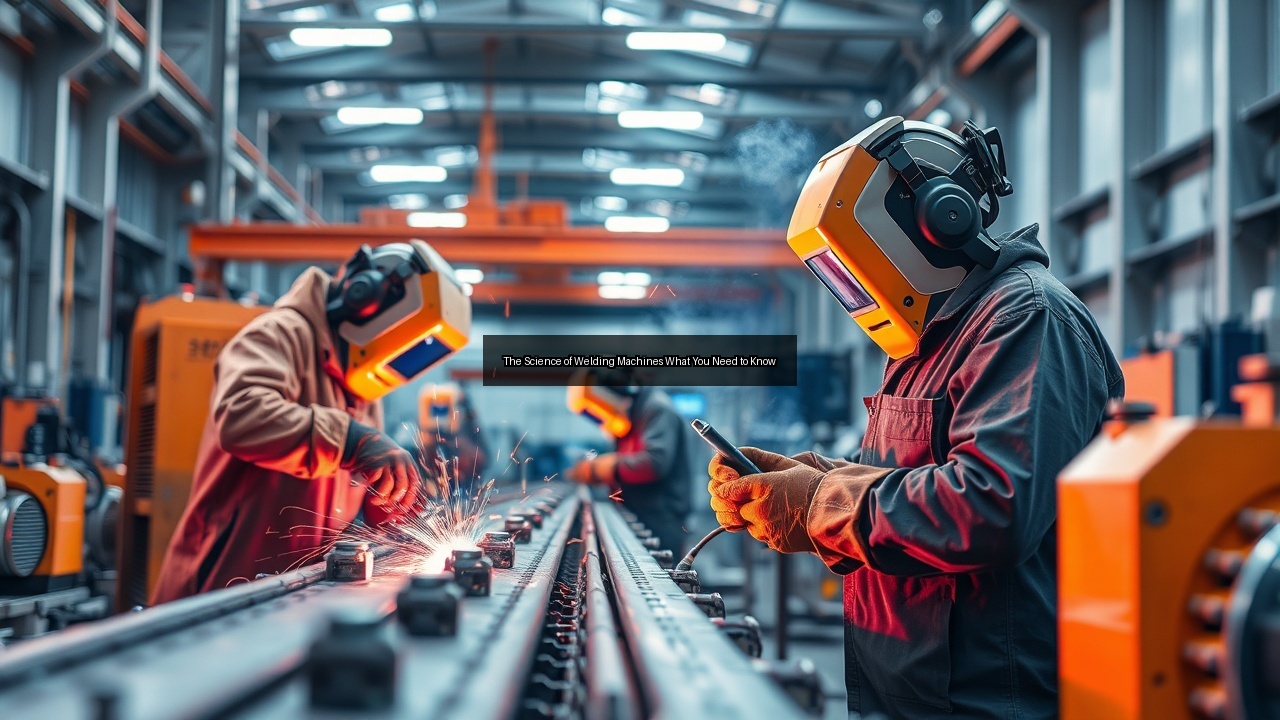
Understanding Track Welding Machines
What is a Track Welder?
A track welder is a specialized welding machine designed for precision welding along a predetermined path. These machines excel in applications requiring high accuracy and repeatability, such as in the manufacturing of rail tracks, pipelines, and heavy machinery. Track welders typically feature a guided system that ensures the welding torch follows a specific trajectory, allowing for consistent weld quality. By automating the welding process, track welders significantly reduce the time and labor involved in traditional welding methods while enhancing the uniformity of the welds produced.
Components of Track Welding Equipment
Track welding equipment comprises several essential components that work together to deliver high-quality welds. The primary elements include the welding machine itself, a track system for guiding the welder, and the welding torch. The track system may utilize rigid rails or flexible tracks, depending on the application. Additionally, oscillators play a pivotal role in controlling the movement of the welding arc, ensuring optimal weld penetration and bead formation. The setup often includes various electrodes made from different materials to suit specific welding tasks, along with a power source that supplies the necessary energy for the welding process.
How Track Welders Operate
Operating a track welder involves several steps to ensure efficiency and precision. Once the equipment is set up along the track, the welder calibrates the machine to match the desired welding parameters, including speed, voltage, and current. The oscillator activates, guiding the welding torch along the predetermined path while maintaining a consistent distance from the workpiece. This oscillation enhances the quality of the weld by ensuring uniform heat distribution and preventing overheating. Skilled operators monitor the process, making adjustments as needed to accommodate variations in material thickness and composition. Overall, track welders streamline the welding process, resulting in faster production times and improved weld integrity.
Types of Welding Machines for Track Welding
Overview of Different Welding Machines
Track welding encompasses various types of welding machines, each tailored for specific applications and materials. Common types include MIG (Metal Inert Gas), TIG (Tungsten Inert Gas), and submerged arc welders. MIG welding machines are popular for their versatility and speed, making them ideal for large-scale projects. TIG welders, known for their precision, excel in applications requiring clean, strong welds. Submerged arc welders, on the other hand, are effective for high-volume production due to their ability to deliver deep penetration and minimal spatter. Understanding the different welding machines available allows users to select the optimal machine for their track welding needs.
Benefits of Using Track Welding Machines
Track welding machines offer numerous advantages over traditional welding methods. One of the primary benefits is the enhanced precision they provide, ensuring consistent weld quality along the entire length of the joint. This precision minimizes the risk of defects and rework, ultimately saving time and resources. Additionally, track welders improve productivity; they can operate continuously, reducing downtime and increasing output. The automation of the welding process also lessens the physical strain on operators, contributing to a safer working environment. Lastly, the ability to use various welding techniques—from MIG to submerged arc—further broadens the scope of projects that can be efficiently executed with track welding machines.
Comparative Analysis: Track Welders vs. Traditional Welders
Comparing track welders to traditional welding methods highlights several key differences. Traditional welders often rely on manual techniques, which can introduce variability in weld quality due to human error. In contrast, track welders utilize automation and precision guiding systems, leading to more consistent results. Track welding machines operate at higher speeds, thereby reducing labor costs and accelerating project timelines. While traditional welding may be more suitable for smaller, intricate tasks, track welders excel in large-scale applications that require uniformity and efficiency. Ultimately, the choice between these two approaches depends on the specific project requirements and desired outcomes.
Key Features and Technology in Track Welders
The Role of Oscillators in Welding
Oscillators play a crucial role in the operation of track welders, enhancing the quality and efficiency of the welding process. These devices control the lateral movement of the welding torch, allowing it to oscillate across the joint. This oscillation enables deeper penetration of the weld and creates a wider bead, which is particularly beneficial for thicker materials. By adjusting the frequency and amplitude of the oscillation, operators can optimize the welding parameters for different applications. The ability to fine-tune these settings contributes to superior weld quality and reduces the likelihood of defects, making oscillators an integral component of modern track welding technology.
Importance of Electrode Selection
Selecting the right electrodes is vital for achieving optimal welding results. Different welding applications require specific electrode materials and diameters to ensure compatibility with the base materials being joined. For instance, stainless steel welding may necessitate using a nickel-coated electrode, while carbon steel projects may call for a mild steel electrode. The choice of electrode affects factors such as weld strength, corrosion resistance, and overall quality. Additionally, the configuration of the electrode can influence the heat distribution during welding, impacting the penetration and bead shape. Therefore, careful consideration of electrode selection is essential for maximizing the performance of track welding machines.
Ceramic and Wire Technology in Welding Machines
Ceramic and wire technologies have revolutionized track welding, enhancing the efficiency and effectiveness of welding machines. Ceramic components, often used as insulators or backing bars, can withstand high temperatures and provide excellent thermal stability. This durability ensures that the welding process remains consistent, even under demanding conditions. Wire technology, specifically the type of filler wire used, significantly influences the welding outcome. Advanced welding machines now utilize specialized wire compositions that improve weld strength and reduce defects. By integrating these technologies, manufacturers can produce track welders that deliver machine for track welding superior performance and reliability in various welding applications.
Maximizing Your Return on Investment in Welding
Evaluating the Cost of Track Welding Machines
When considering track welding machines, evaluating the cost involves more than just the initial purchase price. While upfront costs are significant, potential buyers must also account for operational expenses, maintenance, and the long-term benefits associated with increased productivity. Investing in a quality track welder may require a higher initial expenditure, but the efficiencies gained can lead to substantial savings over time. Factors such as energy consumption, durability, and the availability of replacement parts also play a crucial role in the overall cost assessment. Analyzing these aspects helps businesses make informed decisions that align with their financial goals.
Factors Influencing Return on Investment
Several factors influence the return on investment (ROI) for track welding machines. First, the efficiency of the welding process directly impacts production rates. Faster welding speeds lead to shorter project timelines, allowing businesses to take on more work. Additionally, the quality of welds produced affects material wastage and rework costs. High-quality welds minimize defects, resulting in fewer repairs and improved customer satisfaction. The skill level of operators also plays a role; well-trained staff can maximize the capabilities of track welders, further enhancing ROI. Lastly, market demand for welding services can affect overall profitability, making it essential for businesses to stay competitive in their offerings.
Choosing the Right Track Welding Equipment for Your Needs
Selecting the right track welding equipment requires careful consideration of several factors. First, assess the types of projects your business typically undertakes. Different welding techniques and materials will dictate the specifications needed in a track welder. Consider the machine's versatility, as a model capable of handling various applications can provide greater value. Additionally, evaluate the support and training offered by manufacturers like Gullco International, known for their innovative welding solutions. Understanding the available features, such as oscillators and electrode compatibility, will ensure that you choose equipment that meets your operational needs while maximizing your return on investment.