Aluminium in OEM Casting Why It’s the Metal of Choice for Manufacturers
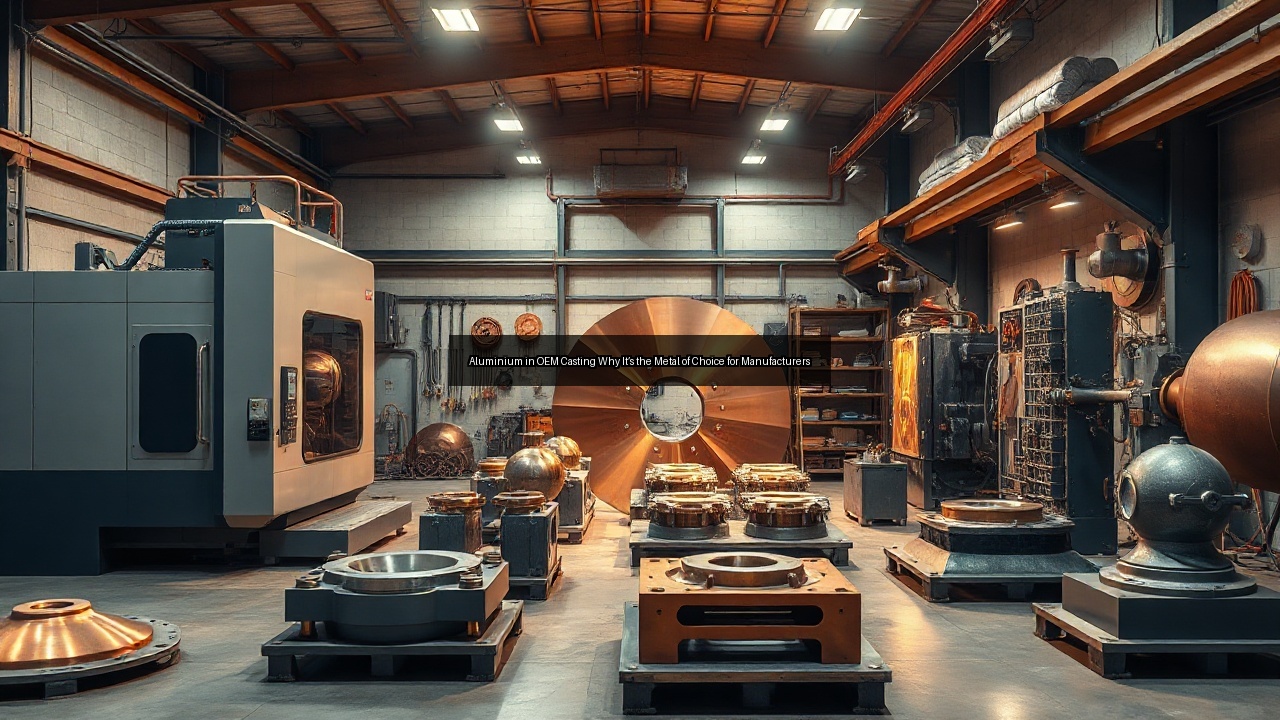
Understanding OEM Casting and Its Importance
Defining OEM Casting
OEM casting delivers custom metal components that original equipment manufacturers integrate directly into their production lines. This process creates parts to exact specifications, ensuring seamless assembly in vehicles, machinery, and consumer products. Foundries execute oem casting through precise molds that replicate intricate designs without excess material waste. Aluminium stands out here because it flows easily into complex shapes while maintaining structural integrity under load. Manufacturers rely on this method to produce consistent batches that meet tight tolerances every time. The approach supports everything from prototype development to full-scale runs, giving oem manufacturers flexibility in design iterations without retooling entire facilities.
Key Benefits of OEM Casting for Manufacturers
Manufacturers gain several practical advantages when they adopt oem casting. Reduced lead times come from streamlined production that skips multiple machining steps. Cost savings appear through lower scrap rates and efficient use of raw materials like aluminium. Quality consistency improves because each casting process follows repeatable parameters that limit variation across large volumes. OEMs also achieve lighter final products when they specify aluminium, which improves fuel efficiency in automotive applications and handling ease in industrial equipment. Supply chain reliability strengthens as dedicated foundries maintain inventory buffers and meet just-in-time delivery schedules that keep assembly lines moving without interruption.
Comparison with Other Metal Casting Processes
Traditional iron and cast iron methods often produce heavier parts that require additional finishing work. Ductile iron offers strength but lacks the corrosion resistance and weight savings of aluminium. In contrast, oem casting with aluminium reduces overall component mass while preserving mechanical performance. Metal casting processes that rely on ferrous metals demand higher energy inputs during melting and cooling. Aluminium variants complete cycles faster, allowing higher throughput in the same foundry footprint. OEMs that switch to aluminium frequently report lower shipping costs and easier integration with modern lightweight designs demanded by current market standards.
The Versatility of Aluminium in Casting
Why Aluminium is Preferred for OEM Applications
Aluminium delivers an optimal balance of strength, weight, and thermal conductivity that suits diverse OEM requirements. Its natural oxide layer provides built-in corrosion protection without extra coatings. Manufacturers choose aluminium for oem casting because it accepts tight dimensional tolerances directly from the mold. The metal also machines cleanly afterward, which shortens secondary operations. Heat dissipation properties make aluminium ideal for engine blocks, transmission housings, and electronic enclosures where temperature control matters. OEMs further benefit from aluminium’s recyclability, which aligns with corporate sustainability targets while keeping material costs predictable across production cycles.
Aluminium vs. Other Metals: A Comparative Analysis
Compared with cast iron or ductile iron, aluminium reduces part weight by up to sixty percent without sacrificing necessary rigidity in many applications. Die castings made from aluminium cool faster than their iron counterparts, cutting cycle times and increasing daily output. Iron components often need protective plating that adds cost and complexity, whereas aluminium parts frequently leave the foundry ready for assembly. Thermal expansion rates in aluminium allow designers to create precise fits that maintain performance across temperature swings. OEM manufacturers evaluate these factors when selecting materials for metal casting projects that prioritize efficiency and long-term durability.
Common Aluminium Casting Processes Used in OEM Manufacturing
Several established casting processes accommodate aluminium for OEM needs. Investment casting produces fine details and smooth surfaces that minimize later machining. Die casting enables high-volume runs with repeatable accuracy across thousands of units. Sand casting supports larger or lower-volume parts where pattern flexibility outweighs speed. Each process matches different production volumes and complexity levels that OEMs encounter. Foundries often combine aluminium with these methods to deliver castings that meet both structural and aesthetic specifications demanded by end customers.
Casting Processes for Aluminium: An Overview
Investment Casting: Precision and Detail
Investment casting excels when OEMs require intricate geometries and superior surface finishes in aluminium parts. The process begins with a wax pattern coated in ceramic slurry that forms the mold. Once the wax melts away, molten aluminium fills the cavity and captures every contour. This technique reduces the need for extensive post-casting machining and supports thin walls that other methods cannot achieve. Automotive and aerospace OEMs regularly specify investment casting for brackets, impellers, and valve bodies where weight reduction and dimensional accuracy drive performance gains.
Die Casting: Efficiency and Mass Production
Die casting forces molten aluminium into hardened steel molds under high pressure, producing dense parts with excellent repeatability. Cycle times measured in seconds support the high volumes that OEMs need for consumer electronics housings and automotive components. Modern machines maintain tight control over temperature and pressure, which minimizes porosity and improves mechanical properties. Die castings from aluminium also accept threaded inserts and complex cooling channels in a single operation, eliminating assembly steps downstream. Foundries equipped with these systems deliver consistent quality that meets strict OEM quality audits.
Sand Casting: Flexibility in Design
Sand casting remains a versatile option for aluminium components that exceed the size limits of die casting or require frequent design changes. Patterns made from wood or resin form the mold cavity in compacted sand, allowing rapid modifications without expensive tooling. This method suits large structural parts such as machine bases and industrial pump housings. Aluminium’s good fluidity ensures complete mold filling even in complex sand configurations. OEMs appreciate the lower upfront costs for prototype runs and the ability to produce one-off or low-volume castings without compromising material integrity.
Forging: Strength and Durability
Although forging differs from traditional casting, many OEMs combine forged aluminium elements with cast components to achieve superior strength where loads concentrate. The process compresses heated aluminium billets into final shapes, aligning grain flow for enhanced fatigue resistance. Hybrid approaches that start with sand casting or investment casting blanks and then forge critical sections deliver both geometric freedom and mechanical performance. This combination proves valuable in heavy equipment and transportation applications where durability directly affects service life and maintenance intervals.
The Role of Machining in OEM Aluminium Castings
CNC Machining: Enhancing Precision and Quality
CNC machining refines aluminium castings to final dimensions after they leave the foundry. Computer-controlled mills and lathes remove minimal material while achieving tolerances measured in microns. This step corrects any minor variations from the casting process and adds features such as sealing surfaces or mounting holes. OEMs integrate CNC machining into their workflows to maintain interchangeability across global supply chains. The combination of casting and CNC operations produces parts that fit perfectly on automated assembly lines without manual adjustment.
Post-Casting Machining Techniques for OEMs
Post-casting operations often include drilling, tapping, and surface milling that prepare aluminium components for immediate use. Multi-axis machines handle angled features in one setup, reducing handling time and potential errors. Deburring and polishing follow to meet cosmetic standards required by visible applications. Foundries that offer integrated machining services shorten lead times for OEMs by delivering finished parts rather than raw castings. This vertical approach also improves traceability and quality control throughout the entire production sequence.
Balancing Cost and Quality in Machining
OEMs evaluate machining strategies to control expenses while meeting performance targets. Strategic placement of casting features reduces the volume of material that CNC machines must remove. Tool selection and cutting parameters optimized for aluminium extend tool life and maintain surface integrity. Batch processing of similar castings maximizes machine utilization and lowers per-part costs. Careful planning ensures that the added precision from machining justifies its expense without inflating overall project budgets beyond competitive targets.
Future Trends in Aluminium OEM Casting
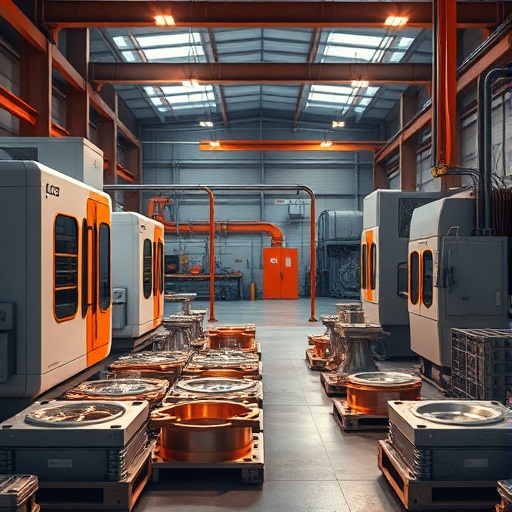
Innovations in Aluminium Casting Technologies
New simulation software predicts metal flow and solidification in aluminium oem casting before any metal is poured. These tools allow engineers to optimize gating systems and reduce trial runs. Additive manufacturing now produces complex sand cores and patterns that enable previously impossible internal geometries. Vacuum-assisted die casting further decreases porosity, expanding the range of structural applications for aluminium. OEMs that adopt these advances gain competitive edges through lighter, stronger parts produced with greater efficiency.
Sustainability and Recycling in OEM Casting
Aluminium retains its properties through repeated recycling, making it a cornerstone of circular manufacturing. Foundries increasingly use secondary aluminium from post-consumer scrap, which cuts energy consumption by up to ninety-five percent compared with primary production. Closed-loop systems at OEM facilities return machining chips directly to the foundry for immediate reuse. These practices lower the carbon footprint of metal casting while stabilizing material pricing against fluctuations in virgin supply. Manufacturers communicate these environmental gains to meet growing customer expectations for responsible sourcing.
The Impact of Industry 4.0 on Metal Casting Processes
Industry 4.0 connects sensors, data analytics, and automated controls across the casting process. Real-time monitoring of furnace temperatures and mold conditions allows immediate adjustments that prevent defects in aluminium castings. Predictive maintenance reduces unplanned downtime at foundries that serve OEM manufacturers. Digital twins of casting processes enable virtual optimization before physical production begins. These technologies collectively raise yield rates and quality consistency, supporting the high reliability standards that modern OEMs demand from their supply base.
See Also
- Unlocking the Secrets of OEM Casting for High-Quality Metal Parts
- The Role of Foundries in the OEM Casting Landscape
- The Advantages of Sand Casting for OEM Parts Production
- Maximizing Efficiency in OEM Casting with Advanced CNC Machining
- Ductile Iron vs Cast Iron Which Material Reigns Supreme in OEM Casting